if you prefer.
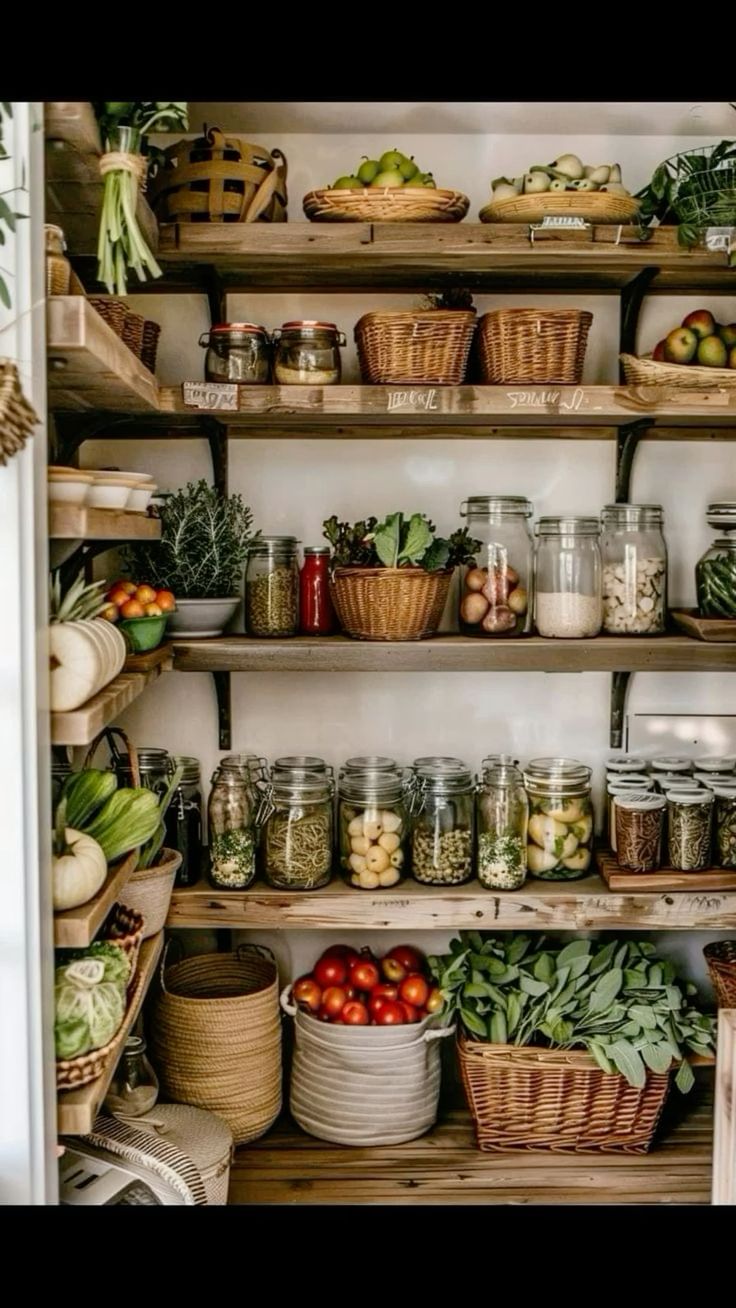
Early ingredients in grandma’s pantry would have been flour, sugar, salt, herbs, dried flowers, medicinals, and tinctures. There would also have been some meat in a salt brine and gunny sacks or crates of potatoes. In the early pioneer days, settlements were usually a day or more trip to get provisions. Homesteads generally had at least a flock of chickens and a family milk cow—this was a lot to possess in the old days. Though, of course, there were also many folks without any livestock who likely hunted or fished for the protein in their diets. Canned foods would begin to be sold in New York City in 1812, they were popular in wars, but wouldn’t be considered to be 100% safe until mechanically processed in 1850. Some of the first canneries were Libby’s, Underwood, Bordens, and Nestle.
In 1910, women were encouraged to begin canning their own food for their families and leave the factory-produced canned foods in stock for the war effort.
Since the time of the influenza pandemic of 1918, consumers have steadily moved away from freshly and locally produced foods to larders filled with shelf-stable items.
https://www.acumence.com/the-history-of-canning-and-can-making/
By the 1950s, our grandmothers had discovered cans of tuna, aspic, Campbell’s soup, Spam, oatmeal, koolaid, corn syrup, and mayo.
In September of 1953, Swanson sold its first TV dinner.
GMOs were developed in 1973 and began being used in our food system in 1982. There are now food products in our food system that can survive forever—apparently a Twinkie and Spam can.
I always laugh when I hear anyone my age or older say that they’re going to stock their pantry like grandma did. My grandma was like most women, born in the last years of the 1800s and married in the 1920s. She canned meat, potatoes, various kinds of pickles, peaches, and tomatoes. She had a root cellar with root vegetables and a pantry with flour, rice, sugar, salt, and spices. Everything she canned seasonally was eaten up by the next season. Nothing, absolutely nothing, was wasted.
Food preppers often recommend stocking up and surviving entirely off of canned goods. My opinion?well, they’ll probably survive whatever happens, but their health will be another matter. I know a lot of people don’t pay attention to use by dates or are confused with best buy. Just know that depending on how the item you have in the freezer was processed, prior to freezing, determines how long the product retains its nutrients. Also, processed/frozen foods and frozen meat are almost always high in sodium. The chart below gives the time table for how long you can freeze meat and retain freshness, flavor, and nutrients vs. what it says on its label, or how long you know it has been in the freezer, or whether you care or not how old it is before you eat it. Personally, I’m not buying anything to store in a freezer that I wouldn’t eat in 6 or 12 months. I can go without frozen food for a day or two or even a week or two if that’s the case should something happen where I couldn’t buy food. There is no way that I have the capital to go out and purchase freezers full of food for a what if, then worry about keeping them going in a power outage, only to have to throw the food or God forbid eat food that is no longer fresh, tastes good, and lacks all nutrients. No, no, nope.
https://www.foodsafety.gov/food-safety-charts/cold-food-storage-charts
If you have a stash in the freezer and have gone out and bought a generator—you should know, depending on how many appliances you plan to run on it, a good-sized generator will need 50-100 gallons of fuel for 1 week. Judging by how fast gas stations shut down in a crisis, if you don’t have that on hand, you might want to develop another backup plan.
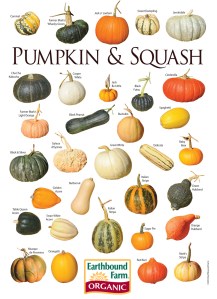
Here are some foods that can help you stay healthy and survive at the same time—rice (freeze then dry can), protein bars, pumpkin puree, squash—if you can store them safely, beans of any kind, and canned meat of any kind. You need a good amount of protein, vitamins, hydration, fiber, and personally, I would make sure I had a ferment or two in my pantry–kimchi, sauerkraut, cabbage, beet kvass, pickles.
Until next time,
xoxo



 savoringmysixties